Everything that goes wrong under a pier-and-beam house starts with water
Vapor barriers, encapsulation, drainage and supplementary structural support for crawl spaces that have been damp long enough to start costing you timber — and the outside water sources that put them that way.
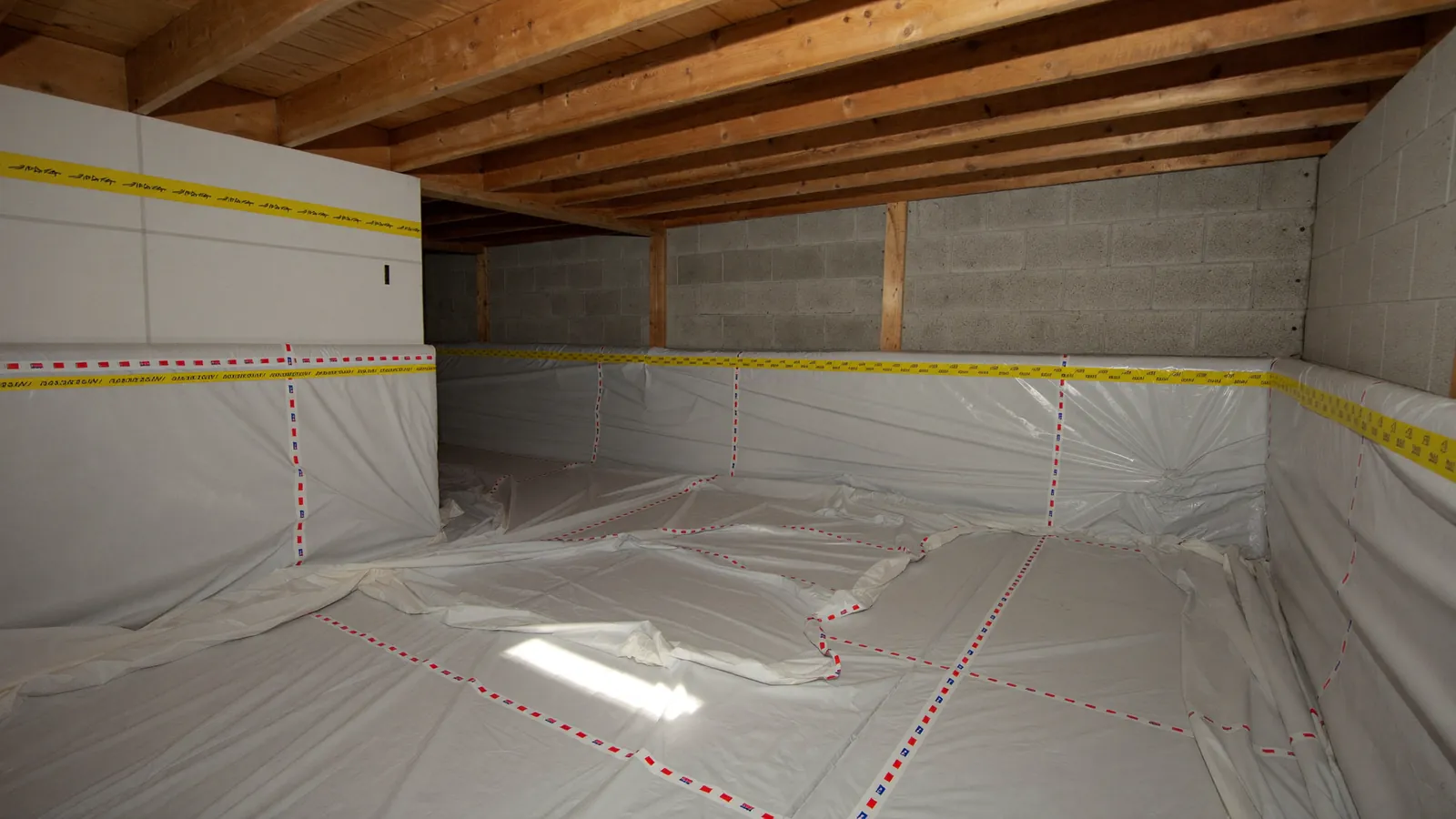
A crawl space is a void, and voids do what the ground around them tells them to. In central Oklahoma that means a space cut into expansive clay, often with no vapor barrier over the soil, vented to outside air that is extremely humid from mid-May to late September, and receiving whatever surface water the lot and the downspouts send its way. The result is predictable: damp soil evaporating moisture upward continuously, high humidity against timber, and after enough years, rot at bearing points, corroded fixings, fungal growth and a musty smell that reaches the living space through the floor.
The individual problems are familiar. Standing water after rain, from surface water finding its way in or groundwater rising. Persistent high humidity even when there is no visible water, driven by evaporation from bare soil. No vapor barrier, which is the single most common omission in older houses and the cheapest thing to put right. Rotted or weakened timber at joist ends and girder bearings. Compressed or failed insulation hanging between joists, soaked and doing nothing. Pests, because a damp dark void is ideal habitat. And failed supports, where blocks and shims have gone the way of everything else down there.
There are two schools of thought about the fix, and the right one depends on the house. The traditional approach is a vented crawl space with a vapor barrier over the soil: cheap, long-established, and reasonable in a dry climate. The problem in an Oklahoma summer is that the outside air you are venting with carries a great deal of moisture itself, so on humid days ventilation can add moisture rather than remove it. Encapsulation takes the opposite approach: a heavy reinforced liner across the soil and up the stem walls, sealed at the seams and at penetrations, vents closed, and the space conditioned with a dehumidifier. It costs considerably more — typically $5,000 to $12,000 where a basic barrier is a fraction of that — and it controls the environment properly rather than hoping the weather cooperates. For a house that already has rot damage, or where humidity has stayed high despite venting, encapsulation is generally the answer. For a dry, well-drained crawl space missing only a barrier, it is overkill and we will say so.
Either way, the water outside comes first. Grading that falls back toward the house, downspouts discharging at the foundation and the absence of any perimeter drainage will defeat anything installed inside. We look at the exterior as part of a crawl space scope, every time, because sealing a liner over ground that is being actively watered from above is work that looks finished and is not.
What's included
Moisture source traced
Surface water, groundwater, plumbing leaks and ground evaporation distinguished, because each one is a different fix and only one is solved by a liner.
Vapor barrier over the soil
Sealed sheeting across the ground to stop continuous evaporation into the void — the cheapest intervention and the most commonly missing one.
Full encapsulation where it earns it
Heavy reinforced liner up the stem walls, sealed seams and penetrations, vents closed and the space conditioned, for crawl spaces that stay wet regardless of venting.
Interior drainage and sump
Perimeter drain and pump where water is entering or rising rather than evaporating, so the liner is not holding back a pond.
Structural repairs underneath
Rotted joist ends, failed girder bearings, crushed blocks and compressed shims dealt with while access is open.
The exterior water fixed too
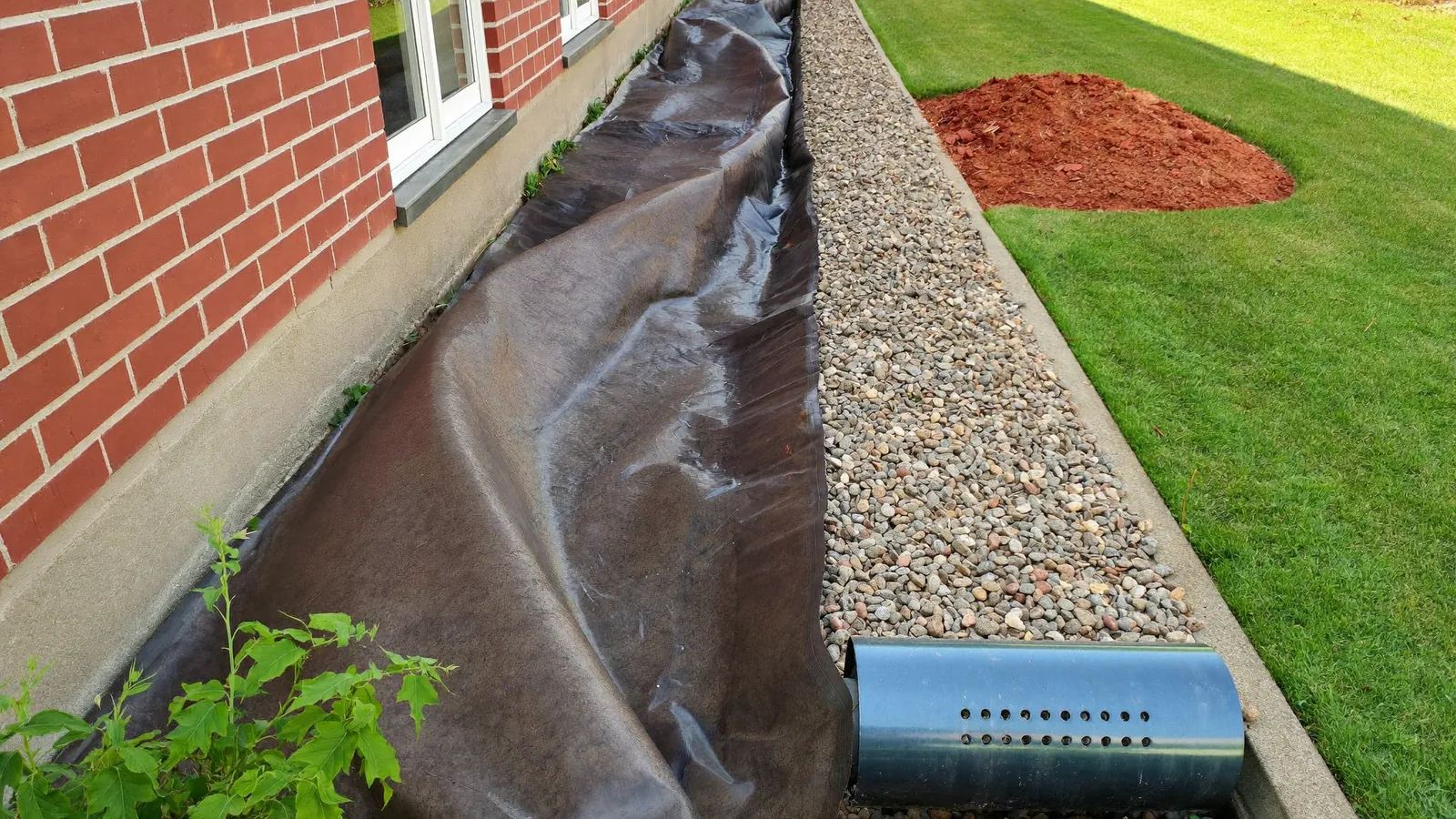
Grading, downspouts and perimeter drainage corrected, because a crawl space being watered from outside defeats whatever is installed inside.
Crawl space repair cost in Edmond, OK
| Item | Typical range | Notes |
|---|---|---|
| Crawl space inspection | Free – $350 | Free on most homes locally |
| Vapor barrier over soil | $1,200 – $3,500 | Material and area dependent |
| Crawl space repair, typical project | $2,000 – $9,500 | Around $4,000 average |
| Full encapsulation with structural work | $5,000 – $12,000 | Liner, sealing, conditioning |
| Interior perimeter drain and sump | $2,500 – $6,500 | Where water enters or rises |
| Dehumidifier, supplied and fitted | $1,200 – $2,800 | Sized to the void |
| Joist or girder repair at bearings | $250 – $900 each | Where rot has taken hold |
| Exterior drainage correction | $1,500 – $6,000 | See french drains |
These are 2026 budgeting bands drawn from published cost guides and what work of this kind runs in the OKC metro. Your figure comes after the elevation survey, itemized by pier, section or linear foot, and the written scope holds for 30 days.
Recent work
Questions we get about crawl space repair
Do I need encapsulation or just a vapor barrier?
Depends on how wet it actually is. If the crawl space is dry, drains well and simply has bare soil, a sealed vapor barrier over the ground does most of the work for a fraction of the cost, and we will recommend that. If humidity stays high through the summer despite the vents, if there is visible condensation, if timber is already showing rot or fungal growth, or if there is a damp smell reaching the house, venting is not coping and encapsulation is the proportionate answer. We measure humidity rather than guessing, and the reading usually makes the decision obvious.
Why is my crawl space wet when it hasn't rained?
Evaporation, most likely. Bare soil in a crawl space releases moisture continuously, and in clay that holds water well it can be a surprising volume — enough to keep relative humidity high indefinitely with no visible water anywhere. The other possibility worth excluding is a plumbing leak: a slow supply or drain leak under the house produces persistent dampness in one area with no weather correlation, which is a useful distinguishing sign. If it is wettest after rain, it is surface water and the fix is outside.
Does a damp crawl space affect the house above?
Yes, measurably. Air moves upward through a house, so a significant proportion of what you breathe upstairs started in the crawl space, bringing humidity, musty odors and mold spores with it. Damp also makes a house harder to cool in an Oklahoma summer, since the air conditioning ends up working on moisture rather than temperature. And structurally, persistent damp is what takes joist ends and girder bearings apart over a couple of decades.
Will encapsulation fix a bouncy floor?
No — those are separate problems that often appear together. Bounce is a structural stiffness issue: spans too long, a sagging girder, failed supports or joists that have lost capacity. Encapsulation controls the environment so that timber stops deteriorating. They belong in the same scope because the damp is usually what weakened the structure in the first place, but the liner does not add strength and we will not suggest it does.
How long does the work take?
A vapor barrier installation is typically one day. Full encapsulation with sealing and a dehumidifier runs two to four days. Add structural repairs, interior drainage or a sump and it extends accordingly. Low crawl spaces, tight hatches and wet ground all slow the work down, and we will tell you if yours is one of those before quoting a schedule.
Can I just close the vents myself?
Please do not, not on its own. Closing vents without a sealed ground barrier and some means of controlling humidity gives you a sealed box full of damp soil, and conditions usually get worse rather than better — that is the classic way people accidentally make a crawl space rot faster. Vents closed is part of encapsulation, and it only works as part of the whole system: liner, sealing, and conditioned air.