Sealing a crack is easy. Knowing which cracks are worth sealing is the job
Epoxy injection where the concrete needs structural reinstatement, polyurethane where the problem is water, repointing where brick veneer has stepped — and a plain answer about the cracks that need nothing at all.
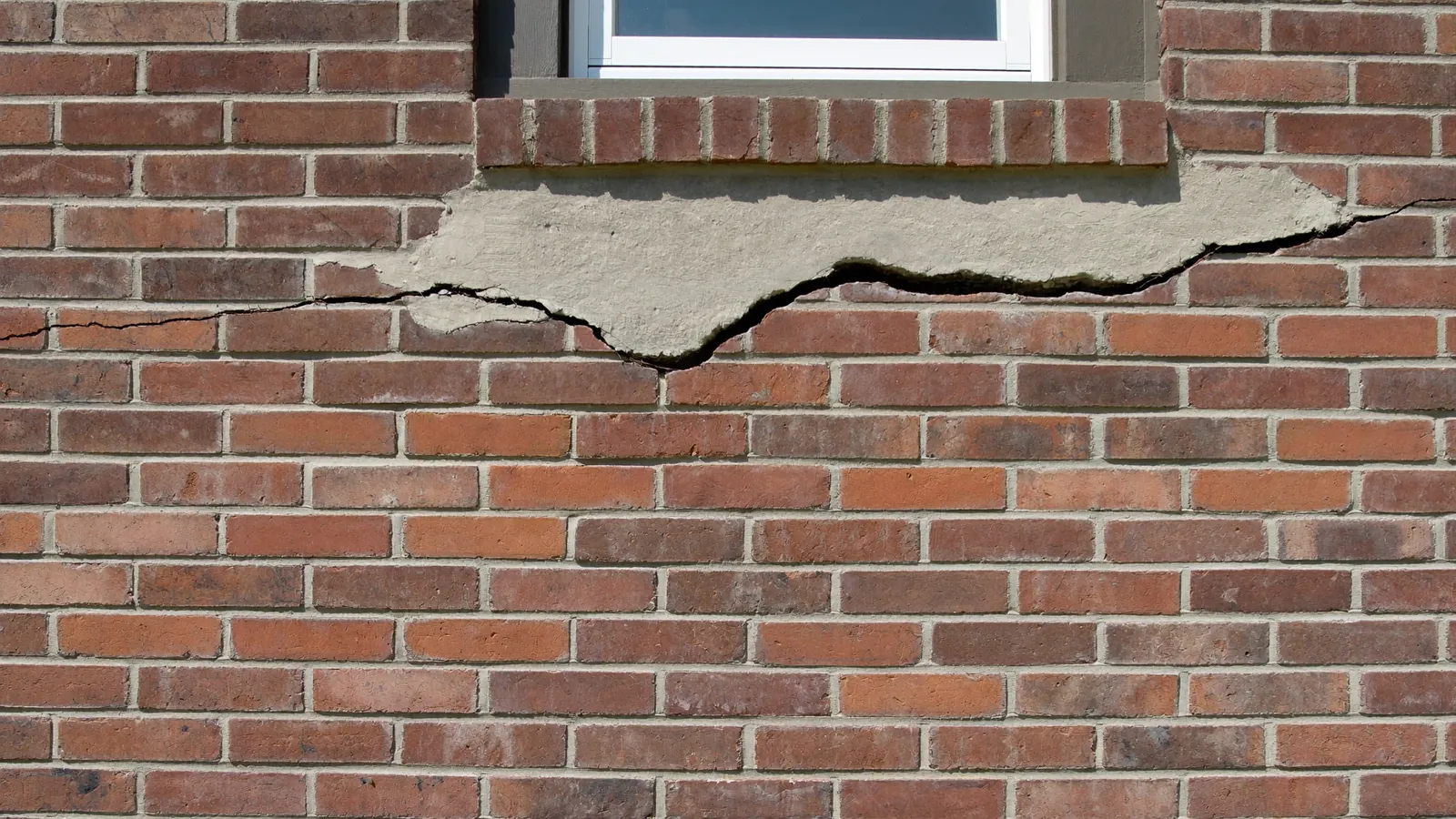
Crack repair is the most over-sold service in this industry, so let us start with the part nobody leads with: a great many cracks in Edmond houses do not need repairing. Concrete shrinks as it cures and nearly every slab develops fine shrinkage cracking in its first year or two. New houses settle into their soil initially and then stop. Plaster and drywall move with humidity. A hairline crack that follows a drywall joint, runs straight up from a corner, or appears in a two-year-old house usually tells you about materials rather than about your foundation. Sealing it changes nothing except your bank balance.
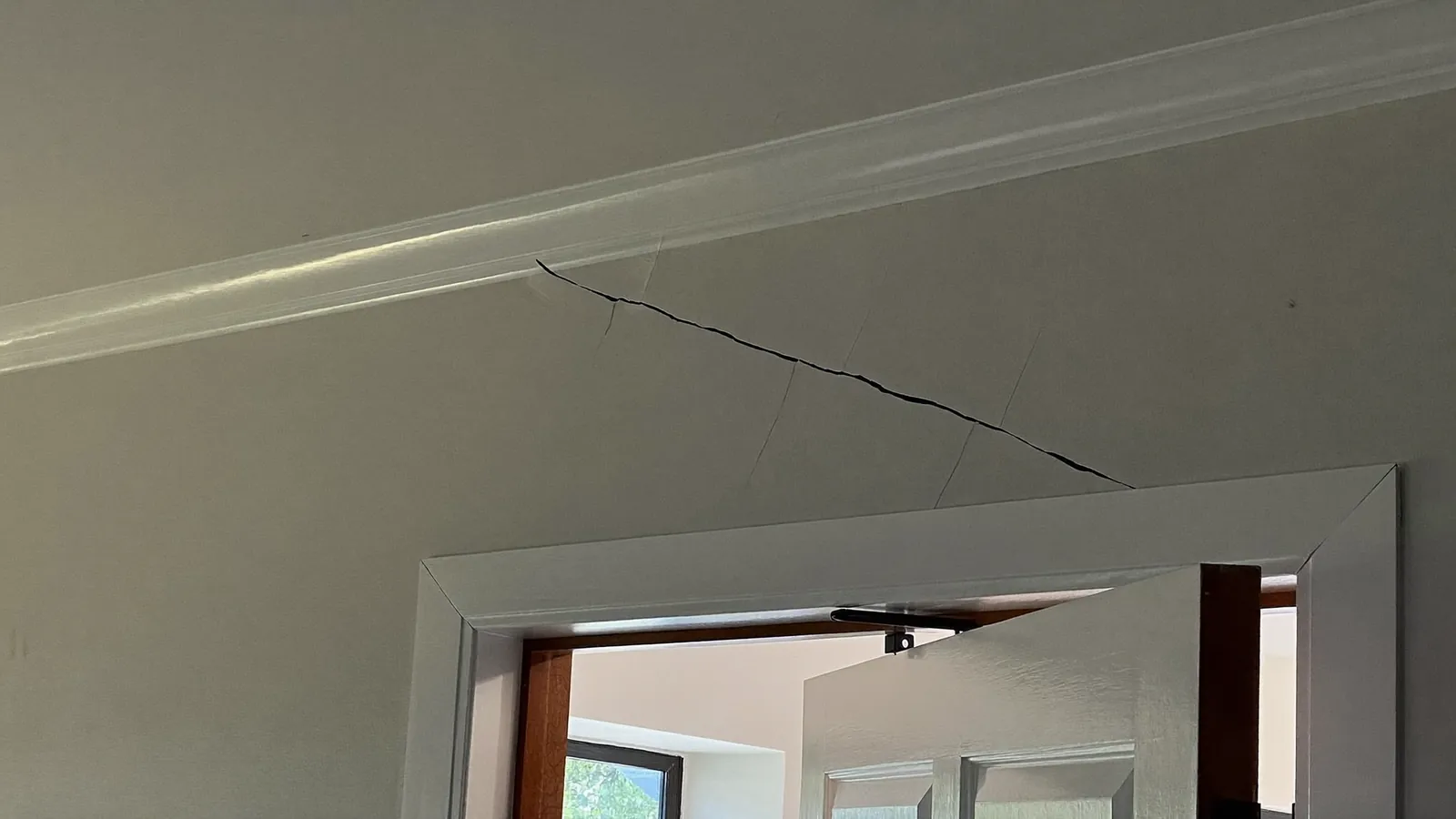
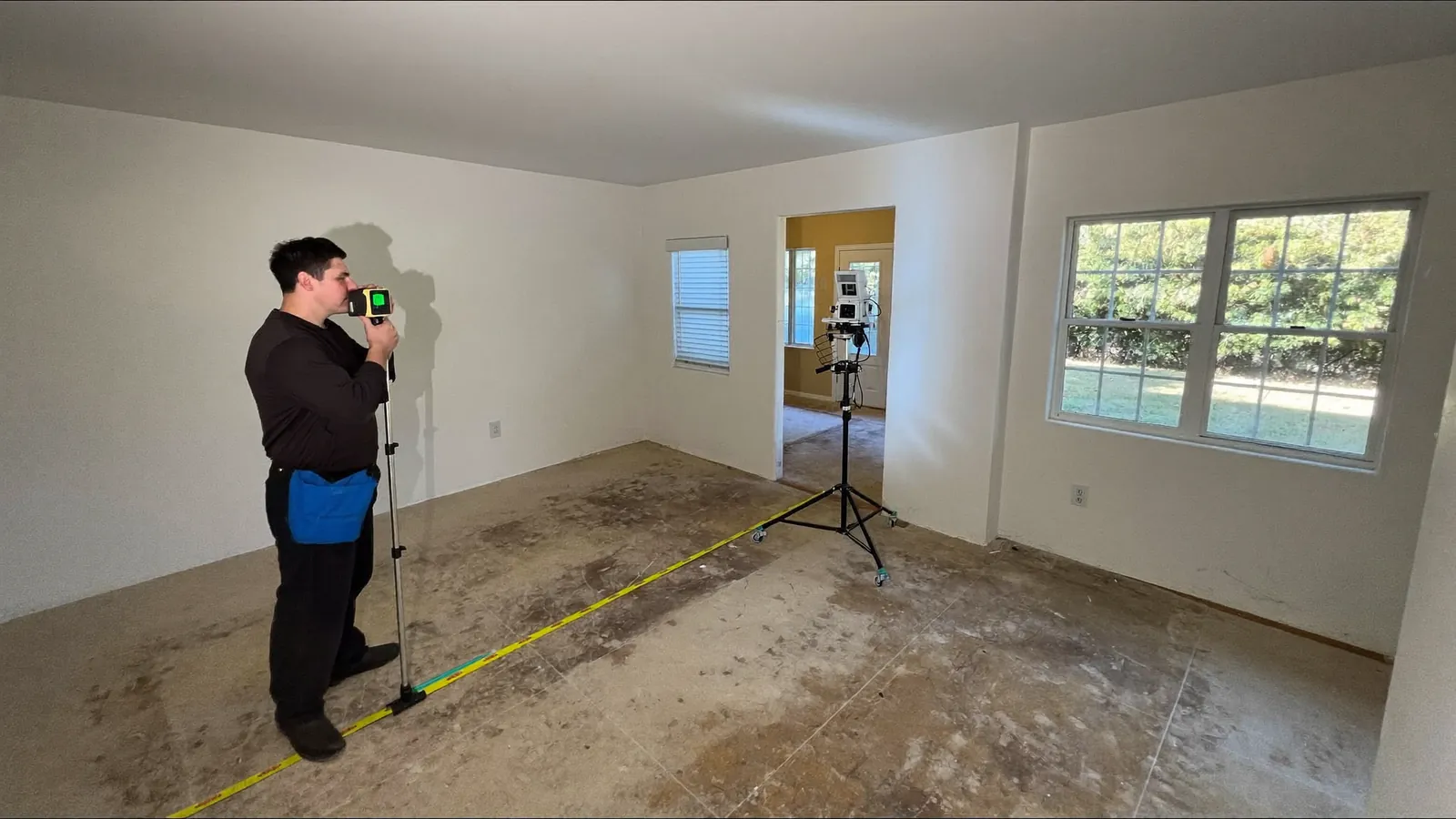
What we take seriously is pattern. Stair-step cracking climbing diagonally through the mortar joints of brick veneer is the classic indicator of differential movement, and the direction of the step points toward where the ground went. Diagonal cracks radiating from the corners of door and window openings say the opening is racking out of square. Horizontal cracking in a wall — rare here, since basements are uncommon, but it happens in retaining structures — indicates lateral pressure and is the most serious of the three. Cracks with vertical displacement, where one side has moved out of plane with the other, mean something structural. And cracks that widen and narrow with the seasons are reporting the clay cycle in real time, which is why we fit telltales and read them through a swing rather than quoting on the first visit.
When a crack does need work, the method follows the purpose. Epoxy injection is a structural repair: a rigid, high-strength resin injected under pressure through ports into a clean, dry crack, bonding the concrete so the section acts monolithically again. It is stronger than the surrounding concrete when cured, and it is the right choice where the crack is static and structural capacity is the issue. Polyurethane injection is the opposite philosophy — a flexible resin that foams and expands on contact with moisture, filling irregular voids and sealing against water. It tolerates a wet crack and accommodates slight ongoing movement, which makes it the choice for water ingress. Choosing epoxy for a live, moving crack produces a rigid repair that simply cracks again beside the old one, often within a season. For brick veneer, the repair is masonry work: cutting out and repointing the stepped joints, and in some cases rebuilding a section, done after any structural movement has been addressed rather than before.
That sequencing is the whole point. Cracks are symptoms. If the house is still moving, a sealed crack is a sealed symptom and the movement finds somewhere else to express itself — usually within a year, usually a few feet away. So crack repair belongs after the elevation survey, after the drainage and plumbing have been looked at, and after any structural stabilization has settled. We would rather inject nothing on the first visit and be right than inject everything and be back.
What's included
Assessment before injection
Direction, displacement, width change and relationship to the floor contour — established before anything is sealed, because sealing a live crack buys a season.
Epoxy for structural reinstatement
Rigid high-strength resin injected under pressure through ports to bond a static structural crack so the section acts as one again.
Polyurethane for water
Flexible expanding resin that cures against moisture, seals irregular voids and tolerates slight continued movement where ingress is the problem.
Brick veneer repointing
Stepped mortar joints cut out and repointed, sections rebuilt where needed, carried out after structural movement has been dealt with.
Telltale monitoring
Crack monitors fitted and read across a seasonal swing where the question is whether the crack is live or historic.
A no-repair verdict when earned
If the cracking is shrinkage, initial settlement or long-stable historic movement, that is what you are told — in writing.
Foundation crack repair cost in Edmond, OK
| Item | Typical range | Notes |
|---|---|---|
| Single crack, epoxy or polyurethane injection | $250 – $1,200 | Around $550 typical |
| Multiple cracks, same visit | $180 – $700 each | After the first |
| Brick veneer repointing, stair-step crack | $400 – $1,600 | Depends on run and match |
| Brick section rebuild | $1,200 – $4,500 | Where repointing is insufficient |
| Telltale crack monitors, fitted | $25 – $60 each | Read at follow-up |
| Follow-up monitoring survey | $150 – $300 | After a seasonal cycle |
| Exterior crack seal and surface coating | $300 – $900 | Water entry, not structure |
These are 2026 budgeting bands drawn from published cost guides and what work of this kind runs in the OKC metro. Your figure comes after the elevation survey, itemized by pier, section or linear foot, and the written scope holds for 30 days.
Recent work
Questions we get about foundation crack repair
Which cracks actually matter?
Stair-step cracks in brick mortar joints, diagonal cracks from the corners of doors and windows, any crack with vertical displacement where one side sits proud of the other, cracks wider than about a quarter of an inch, and horizontal cracking in a wall. Those warrant investigation. Fine vertical cracks following a drywall joint, hairline shrinkage cracking in a slab or garage floor, and fine cracking in a house under two or three years old are usually not structural. Width on its own misleads constantly — a narrow crack with displacement matters more than a wide one without it.
Epoxy or polyurethane — what's the difference?
Purpose. Epoxy is rigid and structural: it bonds the concrete back together and, cured, is stronger than the concrete around it. It needs a clean, dry, static crack. Polyurethane is flexible and foams on contact with moisture, so it seals wet cracks, fills irregular voids and tolerates a little ongoing movement — which makes it a water-stopping product rather than a structural one. The failure people encounter is epoxy used on a crack that is still moving: the rigid repair holds and the concrete cracks again right beside it.
Will the crack come back?
Not if the cause has been dealt with, and very probably if it has not. That is the single most important thing to understand about crack repair. The injection itself is durable — a properly executed epoxy repair outlasts the surrounding concrete. But if the house is still moving because the soil moisture is still cycling or a footing is still losing support, the movement will reappear, generally within a year and generally within a few feet of the original. This is why we survey first and seal afterwards.
Can I just use a tube of filler from the hardware store?
For a hairline shrinkage crack in a garage floor that you want to stop collecting dirt, that is a reasonable thing to do and we are not going to pretend otherwise. For anything structural, no — surface fillers bridge the top of a crack without penetrating it, so there is no bond through the section and no restored capacity. Proper injection uses ports and pressure to drive resin through the full depth. The difference is not the material, it is whether anything reaches the inside of the crack.
Do you repair cracks in brick?
Yes. Brick veneer cracking is masonry work rather than injection: the stepped joints are cut out and repointed with mortar matched as closely as we can to the existing, and where the brick itself has fractured or displaced, a section is rebuilt. Matching mortar color on a house that has weathered for thirty years is an art and we will be honest about how close we expect to get. Timing matters more than appearance though — repointing before the movement has stopped means doing it twice.
How long before I can decorate over it?
Epoxy is typically hard within a day and fully cured within a few days, after which it can be ground back flush and decorated. Polyurethane cures faster. The real question is usually different: if there has been structural work, we normally suggest waiting through a seasonal swing before doing significant cosmetic repair, so that any residual settlement expresses itself before you have paid a decorator. It is frustrating advice, and it saves people money.